ethical banking

What Is Ethical Banking and Why Is It Growing?

Overview

Ethical banking is a way of running a bank that puts social and environmental impact next to profit. Ethical banks disclose where deposits are lent, avoid harmful sectors such as weapons or heavy polluters, and prefer projects that support communities, clean energy, and fair business practices. Interest is growing steadily.

What Is Ethical Banking?

The ethical banking meaning is easy to state. A bank chooses lending and investment on values as well as returns, and tells depositors where their money goes. Triodos Bank in the Netherlands, founded in 1980, is a well-known example of this model.
There is no official “ethical bank” tag in India, yet many banks already act on its values. Under priority sector lending, domestic banks must direct 40 percent of adjusted net bank credit to areas like agriculture and small enterprises, and that serves a social purpose.
In ethical banking, transparency is the foundation. Depositors should be able to read what a bank funds, which sectors it avoids, and how it handles complaints. Without this openness, the label means very little.
Cooperative banks and credit unions often follow similar values, since members own them and decide how surplus is used. Their small size lets them stay close to community needs.

Ethical Banking Practices and Services

Typical ethical banking practices include public lending policies, fair fees, plain language terms, and refusal to fund industries that cause serious harm. Staff incentives are also built to avoid pushing unsuitable products.
Ethical banking services can include the following:
  • Green loans
  • Microfinance
  • Accounts for community groups
  • Savings products linked to approved projects
Ethical financial services also cover insurance and investment funds that screen for environmental and governance standards.
Customers do not have to move all their money to act on these values. Some start with a single savings account or a green fixed deposit, then watch how the bank reports on its lending. Small steps still send a message.
Customers can ask simple questions. Does the bank publish its exclusions? Does it charge fair fees? Does it explain how complaints are handled? Clear answers are the best sign of trust.

How Do Sustainable Banking and Sustainable Finance Connect?

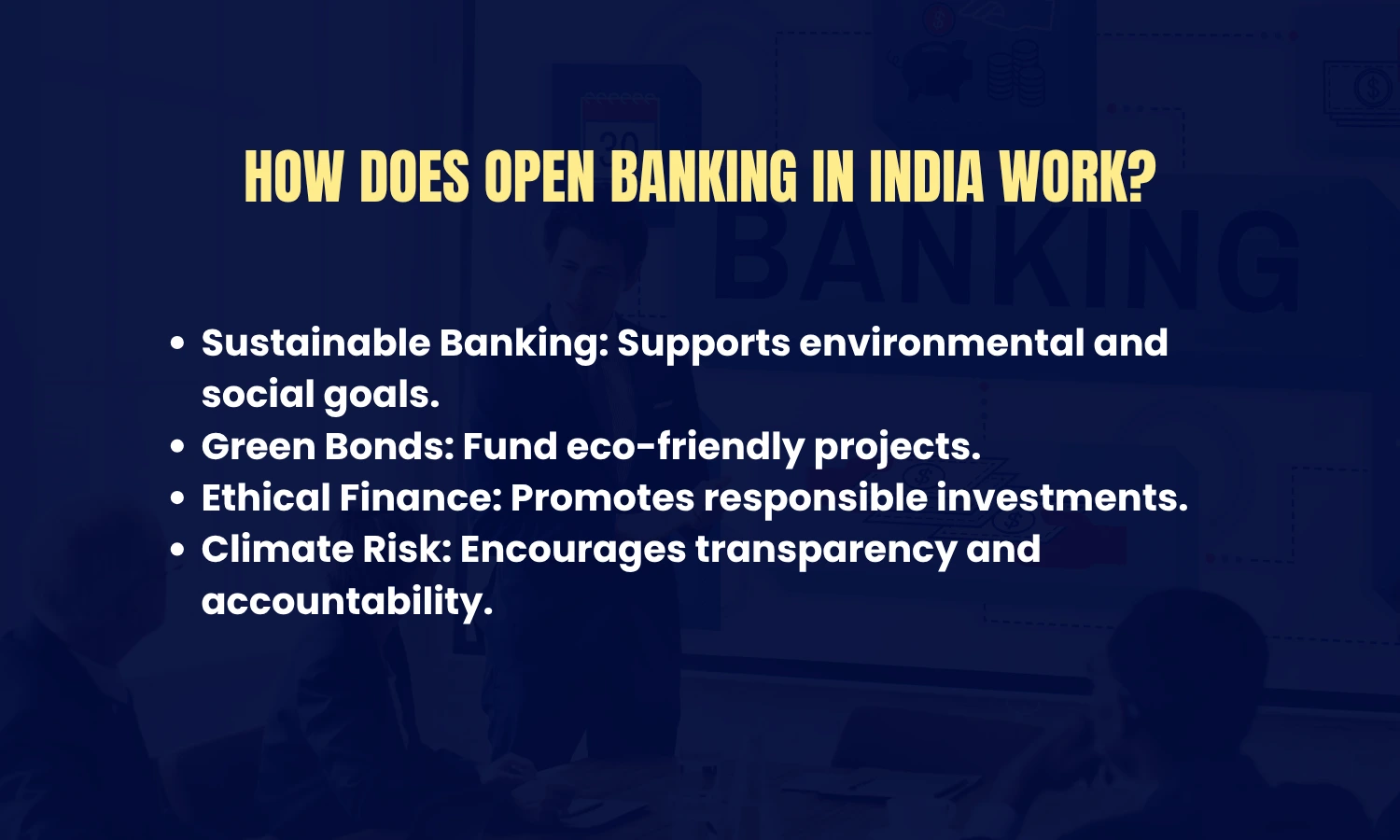
Sustainable banking looks at long-term effects on climate and society, while sustainable finance describes the wider flow of money toward such goals. India issued its first sovereign green bonds in January 2023, which signalled that public funds are being raised for green projects.
Yes Bank had already issued a green bond in 2015. These steps show how ethical finance moves from a niche idea to normal market practice.
Regulation is moving in the same direction. Supervisors around the world now ask banks to measure climate-related risk, and Indian regulators have shown growing interest in disclosure standards. Banks that prepare early will face fewer surprises.

Investors have started to follow this trend as well, and many funds now screen companies on environmental and social grounds. This pushes borrowers to improve their own practices to keep access to funding.

Careers and Skills Linked to Ethical Banking

As banks report more on climate and social risk, they need staff in credit, compliance, risk, and customer advisory who understand these topics. Even entry roles gain value when staff can explain products honestly and spot unsuitable sales.
A good grounding in regulation, product knowledge, and customer handling prepares graduates for this shift. Practising fair selling from the first day is a skill that employers notice.
Critics point out that labels can be misused, so look for evidence instead of slogans. Check audited reports, independent ratings, and the bank’s actual loan book before trusting any claim.
Employers welcome people who can speak about fairness and trust without sounding rehearsed. Share a real example from college, volunteering, or a part-time job in your interview.

Start a Banking Career Built on Trust

Customers now ask harder questions about where their money goes, and banks need trained people to answer them. SRM SB (School of Banking) teaches regulatory frameworks, compliance essentials, and customer relationship skills through its Placement Assured Program. Graduates from any discipline can apply, and training leads to roles such as relationship manager and business development officer.

Key Takeaways

  • Ethical banking puts social and environmental impact next to profit.
  • Open disclosure of lending and fair customer treatment are core features.
  • Green bonds and priority sector lending show the idea in Indian practice.
  • Sustainable finance links bank lending to climate and community goals.
  • Fair selling and compliance skills help freshers stand out.

FAQs

India has no separate legal category, but banks already follow parts of it through priority sector lending, financial inclusion, and green finance. Customers can ask banks for lending policies and sustainability reports to see how closely each one follows these ideas.

Not always. It aims for steady returns with lower social harm, so results depend on the product and the market. Compare interest rates, fees, and risks as you would with any bank before deciding.

Regular banks may disclose little about where deposits go, while an ethical bank gives clear information and avoids harmful sectors. The difference shows in lending policy, product design, and how staff treat customers.

Yes. Entry roles in service, sales, and operations exist in every bank, and staff who understand these values and compliance can move into sustainability, risk, and advisory posts later. Interview answers that show fairness and honesty also stand out.

Look for published lending policies, sustainability reports, fair fee structures, and regulator approval. A bank practising ethical banking should explain its exclusions and how it handles customer complaints. Reading its annual report and any independent ratings adds more confidence.

Select the fields to be shown. Others will be hidden. Drag and drop to rearrange the order.
  • Image
  • SKU
  • Rating
  • Price
  • Stock
  • Availability
  • Add to cart
  • Description
  • Content
  • Weight
  • Dimensions
  • Additional information
Click outside to hide the comparison bar
Compare