

Overview
Key Takeaways
- What is the BFSI industry? At its core, it connects three key verticals: banking, financial services, and insurance.
- BFSI industry meaning extends beyond banks alone to include NBFCs, insurers, and capital market firms.
- BFSI industry trends currently centre on digital adoption, automation, and stronger compliance requirements.
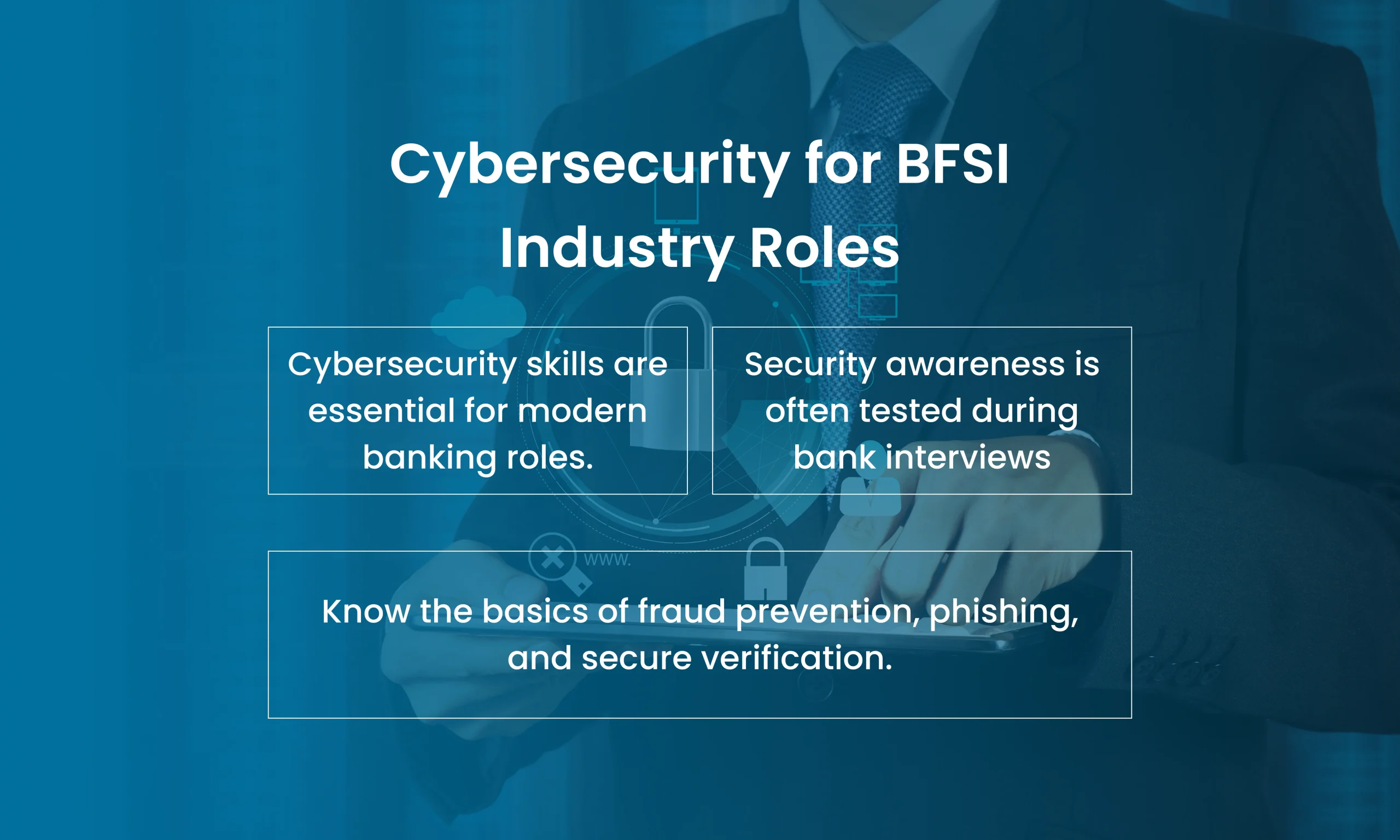
- Cybersecurity for BFSI industry roles is a growing hiring area as digital transactions increase across the sector.
- The BFSI industry in India continues to expand hiring through branch growth and rising financial inclusion.
What Is the BFSI Industry and Why Is It Grouped Together
What is the BFSI industry structure?
In simple terms, the structure groups banking, financial services, and insurance together because they share overlapping regulatory requirements, customer bases, and operational needs. The BFSI industry’s full form always refers to these same three verticals, though the specific balance between them varies depending on the organization and its core business.
BFSI Industry Meaning in the Indian Context
Key BFSI Industry Trends Shaping Hiring
- Rising digital adoption is pushing demand for candidates comfortable with core banking software and digital onboarding tools
- Automation in routine processing is shifting entry-level roles toward more customer-facing and advisory work
- Regulatory tightening around KYC and anti-money laundering compliance keeps demand steady for compliance-trained candidates
- Growth in tier two and tier three cities is expanding branch networks and creating fresh hiring pipelines
- Insurance penetration growth is opening more advisory and sales roles in that specific vertical
Cybersecurity for BFSI Industry Roles
BFSI Industry in India: Growth and Opportunity
The BFSI industry in India has grown steadily due to expanding bank branch networks, rising credit penetration, and increasing insurance awareness across smaller cities and towns. This growth directly supports fresh hiring, since branch expansion requires new relationship officers, customer service staff, and sales advisors on a continuous basis.
How SRM SB Aligns Training With BFSI Industry Trends
SRM SB structures its bank orientation training around current BFSI industry trends, covering not just traditional banking basics but also digital tool exposure and compliance awareness that reflects what banks are hiring for today. The program is placement-linked, connecting candidates directly with interview opportunities at partner banks. SRM SB also builds training solutions for banks themselves, helping existing teams stay updated on evolving BFSI industry requirements, including cybersecurity awareness.

