How to Become Business Development Officer

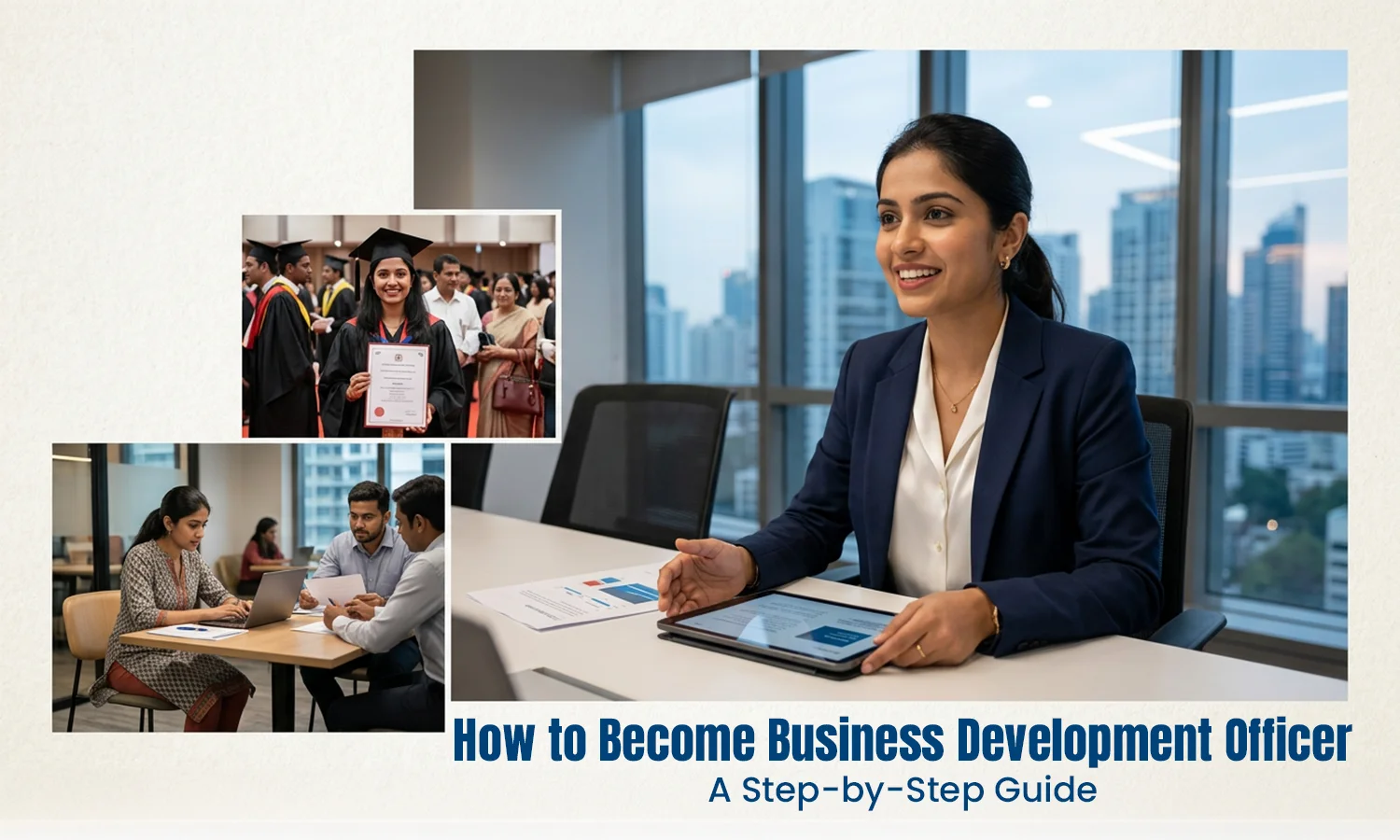
How to Become Business Development Officer: A Step-by-Step Guide

Introduction

If you have ever searched ‘how to become a business development officer’ and felt unsure where to start, you are not alone. The good news is that the path is well-defined and very achievable. This step-by-step guide explains exactly how to become business development officer candidate that banks are eager to hire, covering qualifications, skills, eligibility and mindset.

Think of it as a roadmap. Each step builds on the last, and none of them require luck, only steady, deliberate effort over time.

Step 1 - Understand the Role Before You Learn How to Become Business Development Officer

Before mapping the route, it helps to know the destination. Learning how to become a business development officer begins with understanding what the job involves: acquiring customers, marketing banking products, building relationships and supporting growth.
Many people also research the business development officer role in bank settings to see how the position works in practice. Clarity at this stage keeps your preparation focused and prevents wasted effort later, because you will know precisely which skills to develop.

Step 2 - Meet the Educational Eligibility

The first concrete requirement is academic. Business development officer eligibility usually begins with at least a bachelor’s degree in business administration, finance, marketing or a related field. Some banks prefer candidates with a postgraduate qualification such as an MBA for more senior roles.
These business development officer qualifications give you the foundation employers screen for. Confirming your business development officer eligibility early in your journey prevents surprises and keeps your plan firmly on track.

Step 3 - Build the Right Business Development Officer Skills

Knowing how to become business development officer material means developing the right abilities. Core business development officer skills include confident communication, sharp analytical thinking, persuasive negotiation and disciplined relationship management.
Familiarity with CRM tools and basic financial analysis strengthens your profile further. Strong business development officer skills, paired with a genuine interest in people, are what set the most successful candidates apart from the rest of the field.

Step 4 - Gain Experience and Build Your Network

Experience accelerates everything. Internships, sales roles or customer-service positions teach you, in real situations, how to become a business development officer ready for the demands of a busy bank.

Networking is equally vital; a wide professional network generates leads and referrals once you are in the role. This is also how to become business development officer professionals who progress quickly tend to operate, they invest in relationships from the very start and nurture them consistently.

Step 5 - Plan Your Long-Term Path

It helps to know where the road leads. Understanding how to become a business development officer is the entry step; later, many professionals explore how to become a business development manager, taking on strategy, targets and team leadership.
The officer role builds the core skills, and the manager role builds on them. Seeing both stages shows you the full arc of a banking growth career and helps you set ambitious yet realistic goals for the years ahead.

Step 6 - Keep Learning and Stay Job-Ready

The final piece in how to become business development officer candidates that stand out is continuous learning. Markets shift, products evolve and customer expectations change constantly, so the best professionals never stop upgrading their knowledge.

Structured, industry-aligned training keeps your skills current and your confidence high. In short, how to become a business development officer is less about luck and far more about deliberate, consistent preparation, exactly the kind that turns ambition into a thriving career.
How to Become Business Development Officer

Common Mistakes to Avoid on the Journey

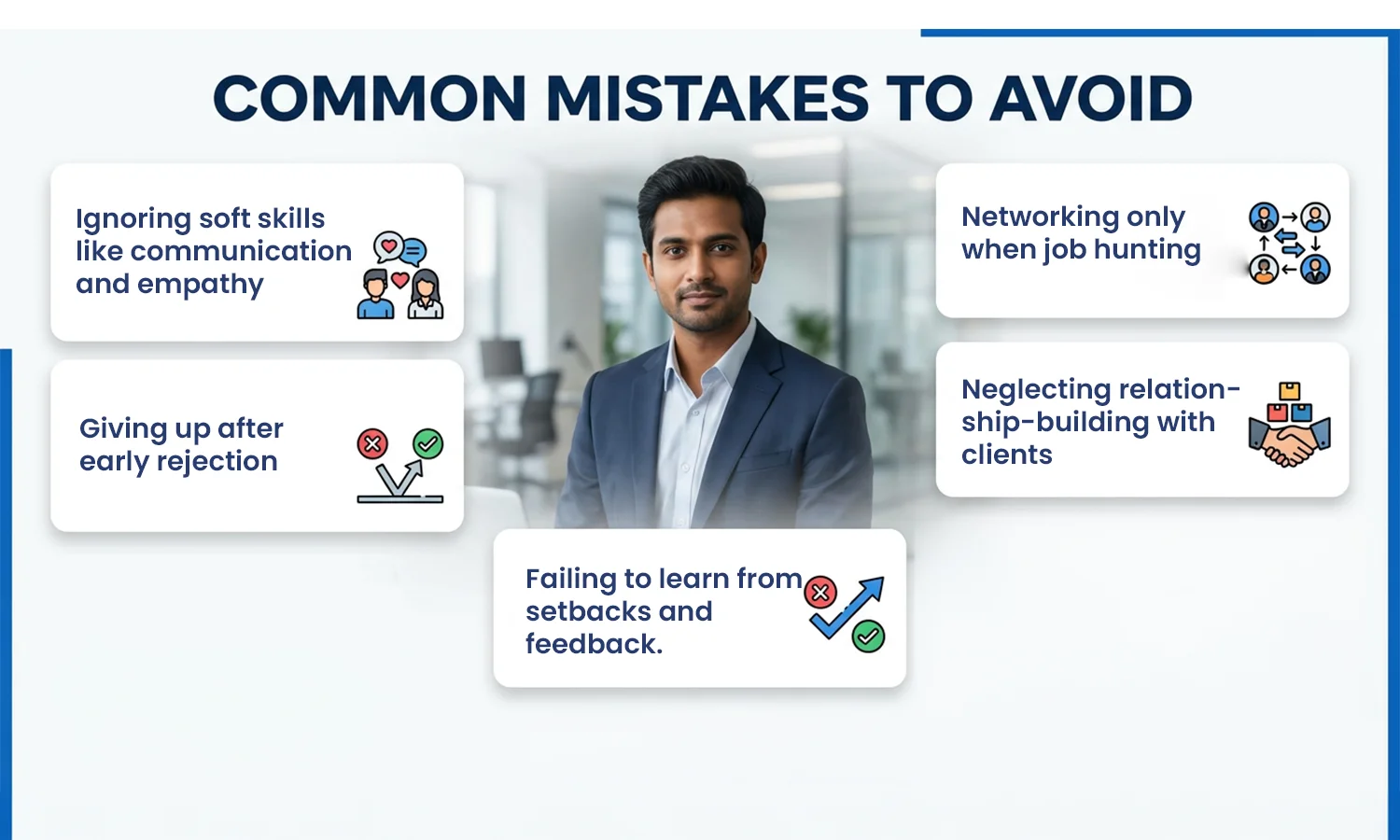
Even highly motivated candidates can slow themselves down with avoidable errors. One frequent mistake is concentrating only on qualifications while neglecting the soft skills that actually win clients, empathy, active listening and the patience to nurture a relationship over months rather than days.

Another is treating networking as something to do only when job-hunting; in reality, the strongest professionals build connections continuously, long before they need them. A third pitfall is giving up after early rejection, which is simply part of any growth-focused role. Knowing how to become a business development officer ready means preparing for these challenges in advance, so that when they arrive you respond with resilience rather than discouragement. Treat each setback as useful feedback, refine your approach, and keep moving forward with quiet, steady determination, that mindset alone separates those who succeed from those who stall.

Take the Next Step

Ready to turn this plan into action? SRM School of Banking helps graduates gain the practical, industry-aligned skills the banking sector demands. Explore our specialised, outcome-based banking programmes and take a confident first step toward a rewarding banking career. Enquire with SRM School of Banking today.

FAQs

Business development officer eligibility usually starts with a bachelor’s degree in business, finance or marketing. Strong business development officer qualifications, including good communication and analytical ability, make your application stand out.
Prioritise the core business development officer skills, communication, negotiation, analytical thinking, relationship management and CRM familiarity, all of which are central to the role.
The business development officer role in bank teams focuses on acquiring customers and building relationships. Many professionals later explore how to become business development manager, taking on strategy, targets and team leadership.
Internships and roles in sales or customer service help a great deal. They build practical skills and make your profile far more attractive to employers.