Key Takeaways
- A strong resume for a banking job highlights measurable achievements and essential banking skills for resume success.
- Include a clear summary for banking resume for freshers with relevant training from a trusted banking course provider.
- SRM School of Banking’s placement assured banking program helps create standout banking job resumes that attract top private banks.
Why a Strong Resume Matters in Banking
A strong banking resume is your first step toward a successful career in finance. Your career objective for banking should clearly reflect your goals, confidence, and professionalism. By completing a banking course, you gain the practical skills employers seek. A well-written summary for banking resume for freshers highlights your learning, dedication, and readiness for the BFSI sector.
Step-by-Step Guide to Building a resume for banking job
1. Start with a Professional Header
2. Write a Strong Career Objective or Summary
3. Highlight Key Skills
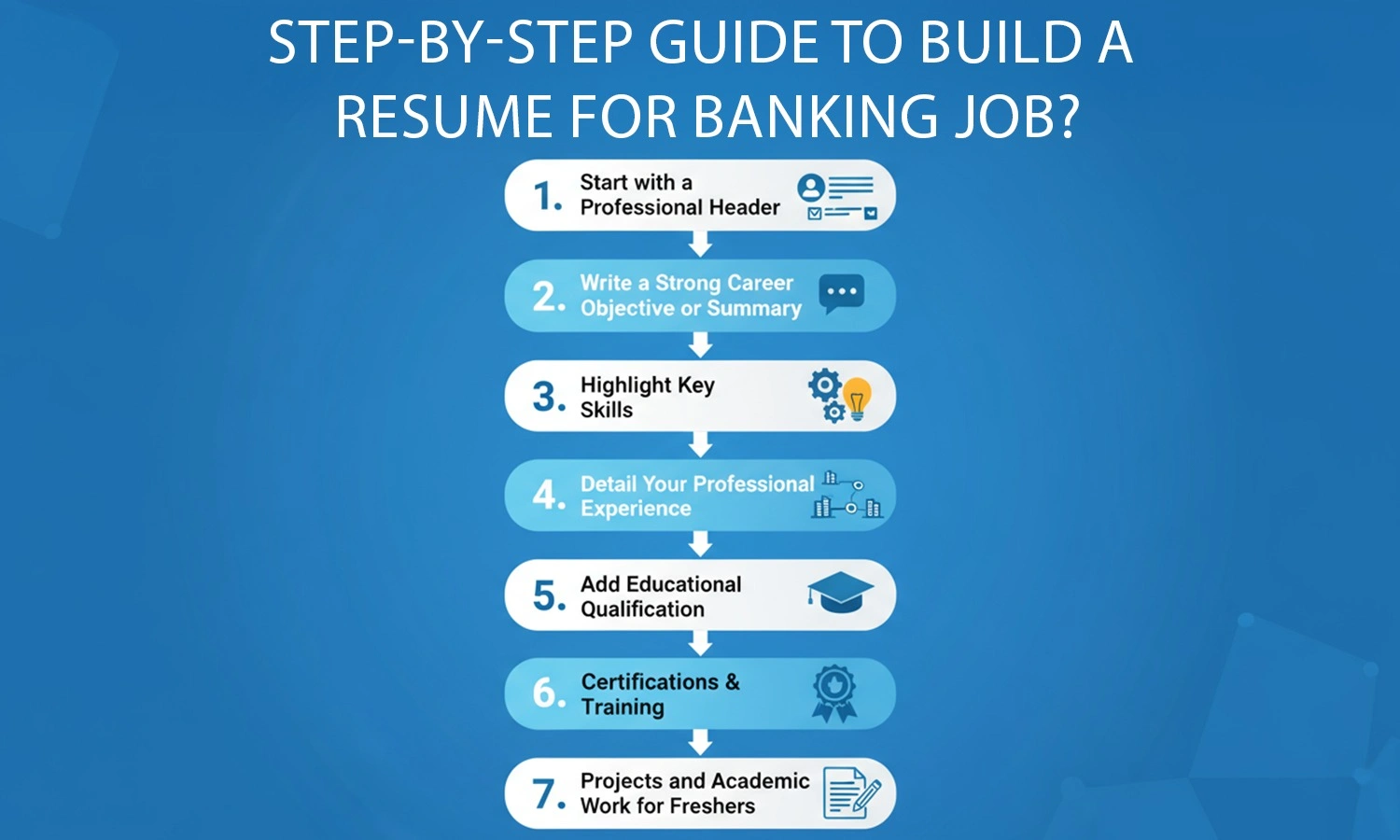
4. Detail Your Professional Experience
List your experience in reverse chronological order. Instead of just mentioning duties, highlight measurable achievements, such as reducing loan processing time by 15% or increasing customer portfolio by 20%. This builds credibility and aligns with recruiter expectations.
5. Add Educational Qualification
Your degree plays a critical role in banking jobs. You may hold a B.Com, an MBA, or a specialized certification. Ensure your education section is well-detailed. For freshers, academic excellence and relevant coursework carry extra weight.
6. Certifications & Training
7. Projects and Academic Work (for Freshers)
These are some of the important basic steps involved in helping to build a banking resume for freshers. SRM School of Banking produces some of the best placement-assured banking programs in India. Which can help you build a perfect banking job resume.
Resume Formatting Tips for Banking Jobs
Common Mistakes to Avoid
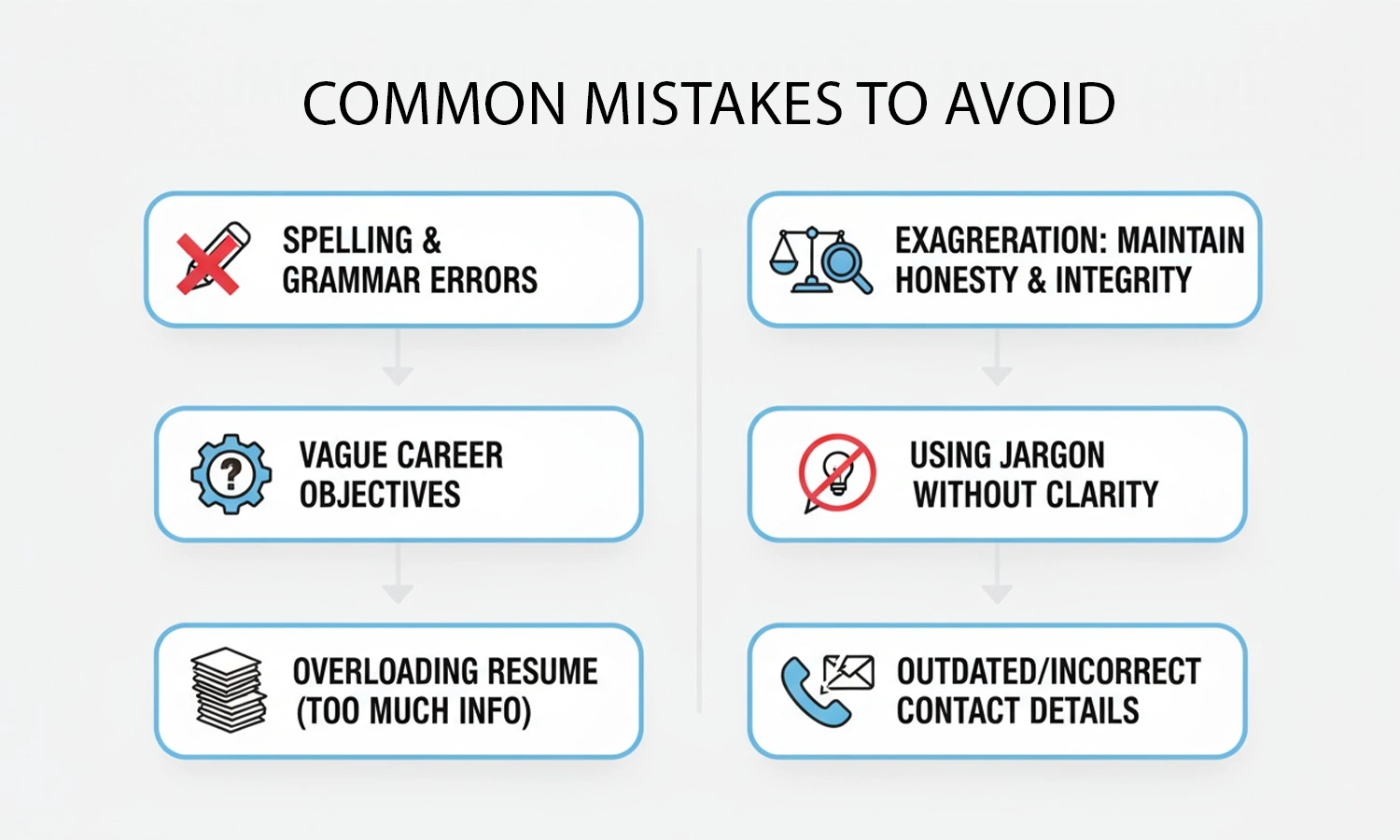
Even the best candidates lose opportunities due to small errors. Some mistakes to avoid include spelling errors, vague career objectives, and overloading the resume with irrelevant details. Another common error is exaggeration.

